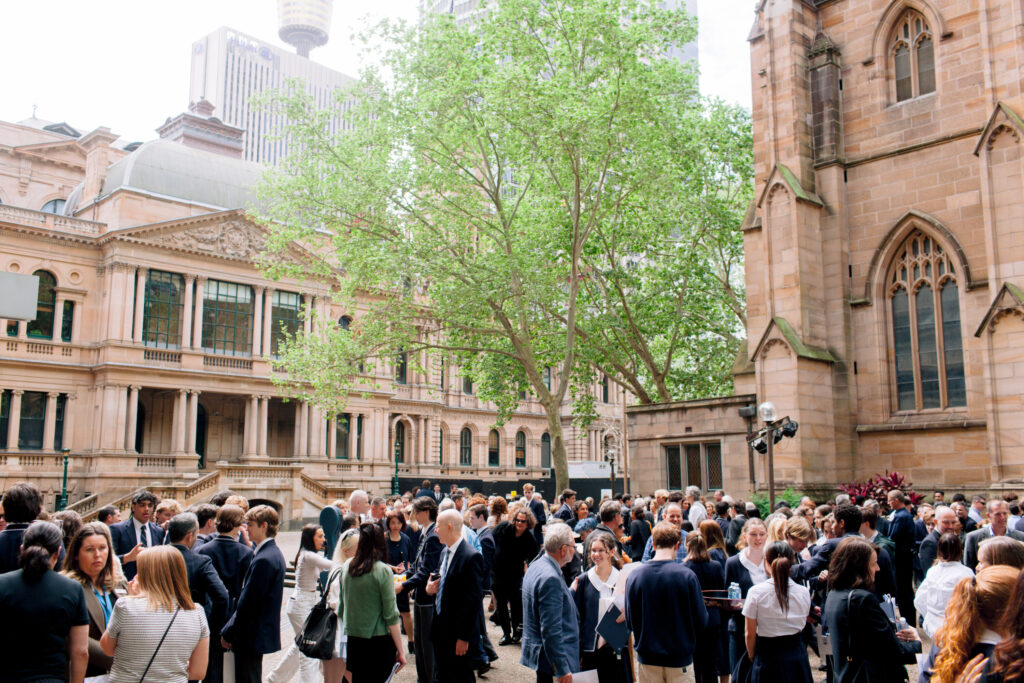
Some of the most meaningful learning experiences happen not in a classroom, but through relationships.
At St Andrew’s Cathedral School, one such relationship-driven initiative has quietly transformed the educational journey of gifted students for several years. Known as Project Catalyst, the programme was created to connect younger and older students through mentoring, fostering growth, leadership and a stronger sense of belonging across the School.
Project Catalyst was developed between 2018 and 2021 during Ms Lucy Birts’s time as Junior School Gifted Coordinator. Recognising the powerful role mentoring can play in gifted education, Lucy and her Secondary School counterpart Ms Estee Stephenson worked together to design a programme that would support students academically, socially and emotionally.
“Research consistently highlights the benefits of mentoring for gifted learners, not only by nurturing younger students’ talents but also by providing older students with valuable leadership and service opportunities.”
“Research consistently highlights the benefits of mentoring for gifted learners, not only by nurturing younger students’ talents but also by providing older students with valuable leadership and service opportunities,” said Ms Estee Stephenson, Director of Learning (Academic Progress).
From its inception, Project Catalyst was guided by a broader vision: strengthening the connection between the Junior and Secondary Schools. The programme aligned naturally with the School’s commitment to service – creating opportunities for students to support one another while pursuing their passions and interests.
The structure is simple but powerful. Junior School students are paired with Secondary School mentors who share similar interests or talents. Meeting weekly on Thursday mornings before school, mentor and mentee begin by getting to know one another and setting goals for their time together. From there, every partnership follows its own unique path.
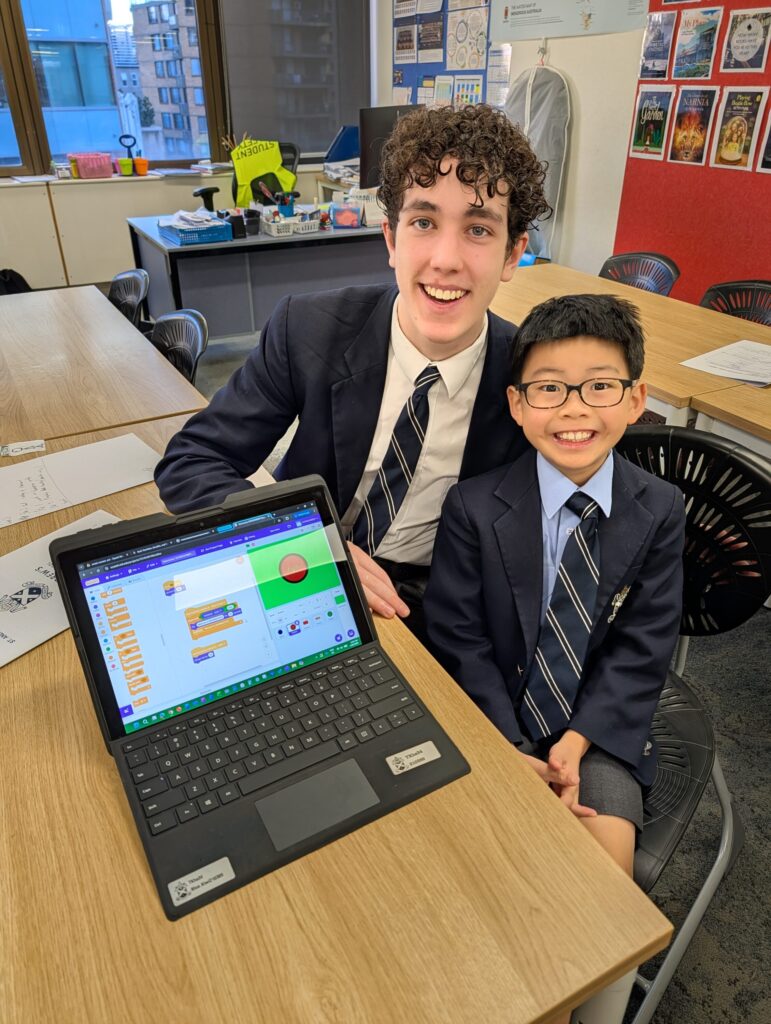
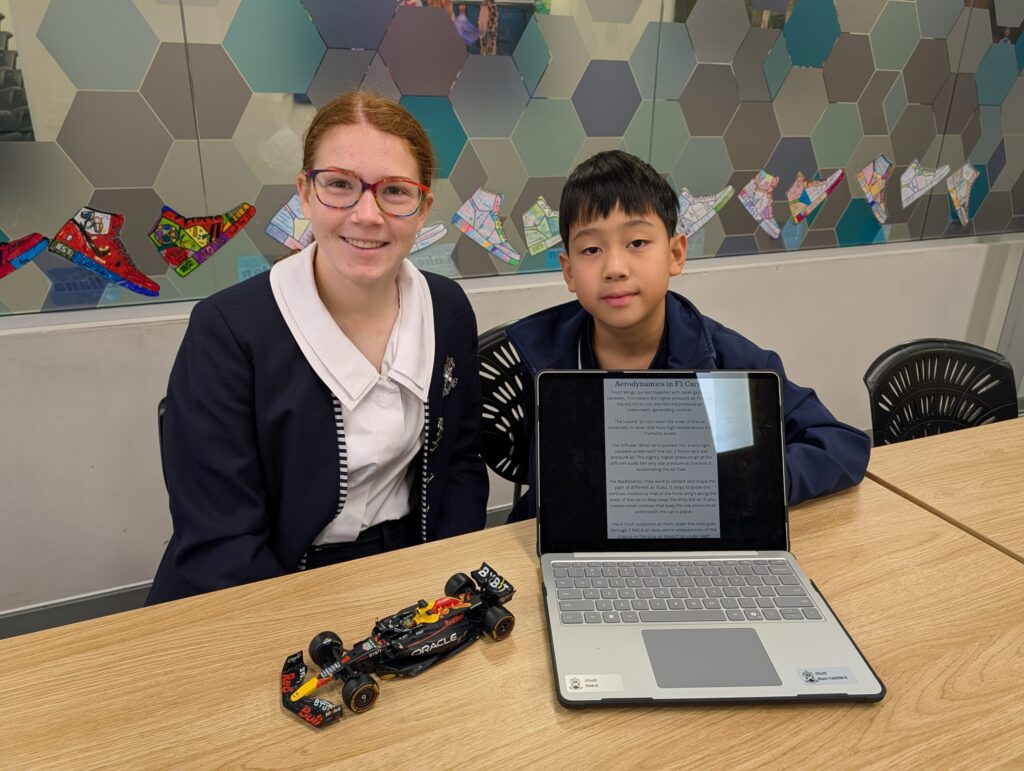
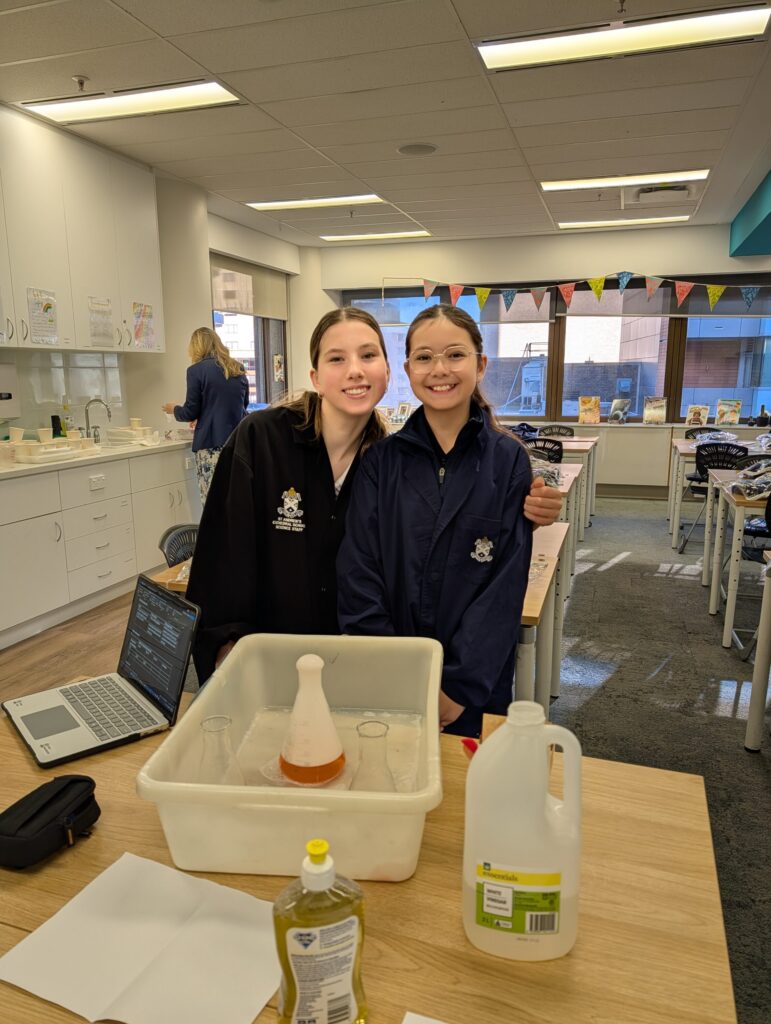
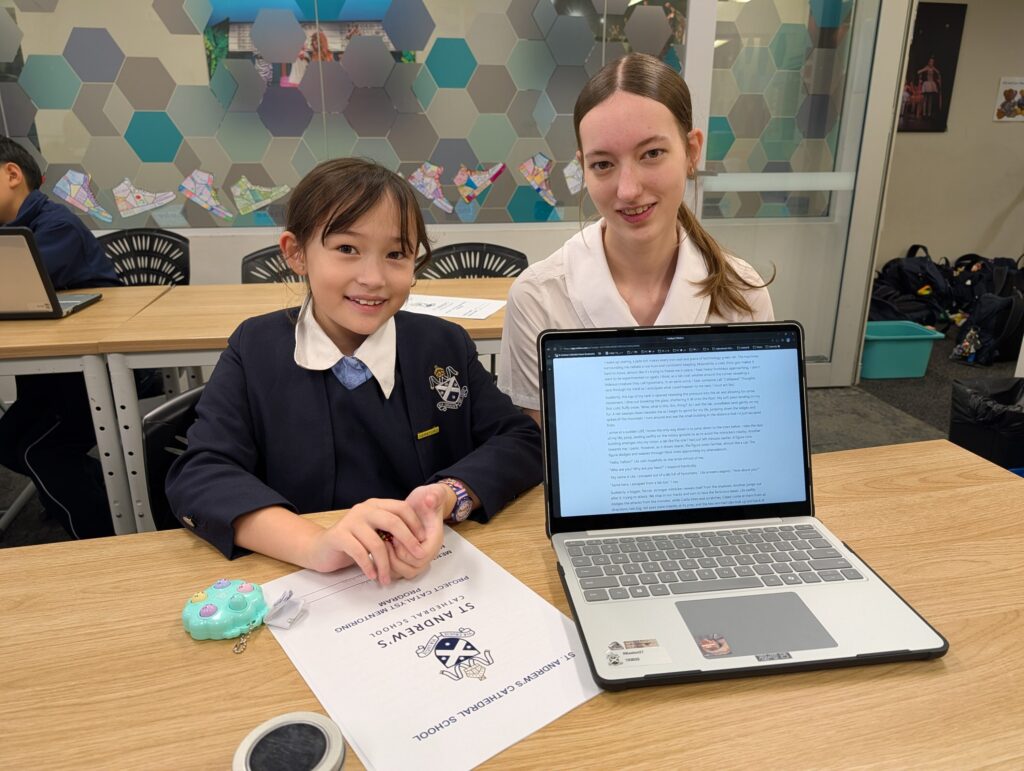
Some projects have involved science experiments and demonstrations, with specialist learning spaces opened to support hands-on exploration. In previous years, students have aligned their mentoring goals with external competitions such as the The Australian Museum – School Science Eureka Prize. This year, each pair has developed its own vision and objectives, allowing the mentoring relationship to evolve organically around shared interests.
While logistical aspects of the programme have changed over time, its purpose has remained remarkably consistent. Project Catalyst continues to build meaningful connections between gifted students across year groups, encouraging younger learners while empowering older students to serve as role models.
“I chose to become a mentor because I wanted to help my mentee feel excited about starting High School and encourage her to continue pursuing her passions.”
“I chose to become a mentor because I wanted to help my mentee feel excited about starting High School and encourage her to continue pursuing her passions – it has very rewarding to see her curiosity and enthusiasm for learning,” said Maddy, Year 11 student
The impact reaches far beyond academic achievement. For younger students, having a mentor provides encouragement, guidance and a relatable example of what their future at St Andrew’s Cathedral School might look like.
“Seeing a mentor perform in the School musical, compete in a sporting event or simply walk through the corridors helps bring that future into focus. These moments foster confidence, excitement and a genuine sense of belonging.”
“Seeing a mentor perform in the School musical, compete in a sporting event or simply walk through the corridors helps bring that future into focus. These moments foster confidence, excitement and a genuine sense of belonging,” said Ms Rebecca Radloff, Gifted and Talented Coordinator for Junior School and Gawura School.
For mentors, the benefits are equally significant. Through the programme, students develop communication skills, empathy, responsibility, leadership and self-reflection. Their participation also complements the service and reflection components of both the IB Middle Years Programme and Diploma Programme, supporting the development of essential Approaches to Learning skills.
“I decided to become a mentor because I enjoy sharing my knowledge and experiences with younger students and helping them feel more connected within the School community.”
“I decided to become a mentor because I enjoy sharing my knowledge and experiences with younger students and helping them feel more connected within the School community. When I was younger, I appreciated having older students who were approachable and willing to help, so I wanted to provide that same support for someone else,” said Innis, Year 11 student.
The success of Project Catalyst can be measured by the large number of mentors who choose to return semester after semester. Their enthusiasm reflects the value of the relationships formed and the personal growth experienced by both participants.
Today, the programme’s influence continues through the expanding Gifted Education Mentoring (GEM) initiative in the Secondary School.
“Looking to the future, we’re exploring the opportunity to connect students with expert external mentors as part of the School’s commitment to Responsible Futuring.”
“Looking to the future, we’re exploring the opportunity to connect students with expert external mentors as part of the School’s commitment to Responsible Futuring, so watch this space,” said Ms Estee Stephenson, Director of Learning (Academic Progress).
Whatever shape it takes in the years to come, Project Catalyst remains a powerful example of how students can inspire, support and learn from one another.