
We recognise that students thrive academically, socially and spiritually when they feel safe, supported and connected.
From Kindergarten through to Year 12, wellbeing is woven into everyday school life through strong pastoral care, professional psychological support, student leadership and purposeful initiatives that nurture the whole child.
Wellbeing is also deeply connected to the School’s Christian ethos, which emphasises compassion, dignity, service and care for others. Chapel services, reflective practices and values-based conversations encourage students to consider their purpose and responsibilities within the wider community. This spiritual dimension supports students in developing empathy, perspective and a strong moral compass.
“At St Andrew’s Cathedral School, wellbeing isn’t an add-on to education—it’s the foundation that allows every student to learn with confidence, grow with resilience, and thrive with purpose.”
“At St Andrew’s Cathedral School, wellbeing isn’t an add-on to education—it’s the foundation that allows every student to learn with confidence, grow with resilience, and thrive with purpose,” said Mrs Bronwyn Wake, Head of Character and Wellbeing (K‑12).
A pastoral care framework
Central to the School’s wellbeing framework is its pastoral care structure, which provides students with consistent guidance and trusted adults throughout their schooling.
In Secondary School, each student belongs to a House and a pastoral group, creating smaller communities within the School where relationships can flourish. Pastoral tutors and Heads of House work closely with students, monitoring wellbeing, supporting personal growth and responding early to challenges.
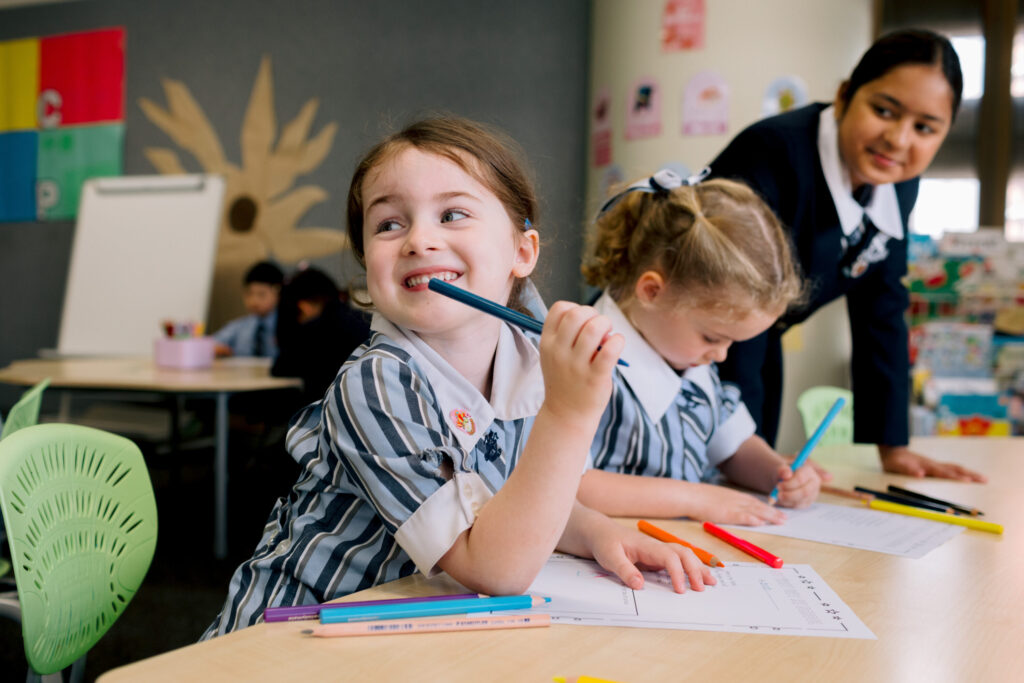
Within the Junior School this important pastoral care is provided by classroom teachers and grade leaders. This structure ensures that no student is unseen and that care is proactive rather than reactive.
Qualified school psychologists and counsellors
An important pillar of wellbeing at the School is the presence of qualified school psychologists and counsellors. These professionals provide confidential, evidence-based support to students experiencing anxiety, stress, social difficulties or other challenges. Psychologists work collaboratively with teachers, pastoral staff and families to support individual students and to develop broader wellbeing strategies. Their work includes individual counselling, group programmes, crisis support and preventative education, reinforcing the School’s commitment to mental health and emotional resilience.
Student representatives
The School also places a strong emphasis on student voice and leadership in wellbeing, empowering students to shape a positive school culture. Student Representative Council (SRC) leaders, in both the Junior School and Secondary School, play an active role in advocating for their peers, promoting kindness and inclusion, and helping to design initiatives that respond to student needs. Through peer leadership, mentoring and awareness campaigns, students learn that wellbeing is a shared responsibility and that they can make a meaningful difference in their community.
Wellbeing initiatives and programmes
A wide range of wellbeing initiatives and programmes support students at every stage of development. Age-appropriate programmes focus on Character Strengths, emotional management, attention and awareness, respectful relationships, coping and habits. Workshops and guest speakers complement classroom learning, while co-curricular activities – including sport, music, drama, and service opportunities – provide students with balance, belonging and opportunities for self-expression.
In recent years, the School has continued to expand and refine its wellbeing ventures, recognising the changing pressures faced by young people. Initiatives supporting transition points, such as entry into Middle School or Senior College, help students navigate change with confidence. Parent education sessions and resources strengthen the partnership between home and school, ensuring families are equipped to support their children’s wellbeing beyond the classroom.
Importantly, the School’s wellbeing approach is preventative as well as responsive. By fostering strong relationships, clear expectations, and a culture of care, the School creates an environment where students feel comfortable seeking help early. This culture reduces stigma around mental health and reinforces the message that asking for support is a sign of strength.
“Wellbeing shapes not only academic success but also character, compassion and the courage to flourish beyond the classroom.”
“Within the supportive community of St Andrew’s Cathedral School, wellbeing shapes not only academic success but also character, compassion and the courage to flourish beyond the classroom,” said Mrs Wake.
Ultimately, wellbeing at St Andrew’s Cathedral School is about helping students flourish. Through dedicated staff, professional support services, student leadership and intentional programmes, the School remains committed to nurturing resilient, confident young people who are well prepared for the challenges and opportunities of life beyond school.


